

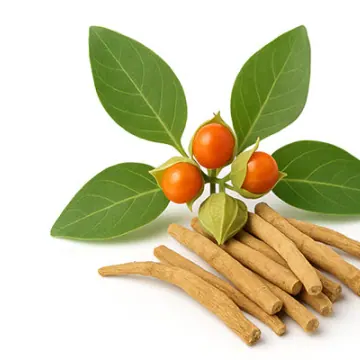
The Convergence of Ancient Fermentation and Modern Extraction
Few herbs in the global botanical pharmacopeia carry the revered stature of Ashwagandha (Withania somnifera). Known in classical Sanskrit as "that which imparts the strength and vigor of a stallion," Ashwagandha has served as a cornerstone Rasayana (rejuvenator) in Ayurveda for over three millennia.
Yet modern seekers encounter two vastly different delivery mechanisms when seeking its restorative benefits: Aswagandharishtam (also spelled Ashvagandharishta or Ashwagandha Arishta), the 5,000-year-old liquid fermented tonic, and Standardized Ashwagandha Extract (such as high-potency Shoden® or full-spectrum KSM-66® capsules). Understanding the pharmacokinetic, physiological, and metabolic differences between these two preparations is essential for choosing the right formulation.
Direct Answer: Which Should You Choose?
Choose Aswagandharishtam if you suffer from chronic digestive sluggishness (Mandagni), general post-illness debility, loss of appetite, or prefer a traditional warming liquid tonic. Choose Standardized Ashwagandha Extract Capsules if you need targeted cortisol and stress reduction, deep restorative sleep, have diabetes or acid reflux, or require a portable, sugar-free, alcohol-free adaptogen with guaranteed withanolide concentrations.
What is Aswagandharishtam? The Science of Sandhana Kalpana
Aswagandharishtam is prepared through Sandhana Kalpana—classical Ayurvedic biomedical fermentation. Rather than consuming plain dry root powder, ancient physicians simmered Ashwagandha root along with companion herbs (including Musali, Manjistha, Haritaki, Chandana, and Yashtimadhu) into a concentrated decoction (Kwatha).
This decoction is placed inside seasoned wooden or terracotta vats along with natural jaggery (Guda) and Dhataki flowers (Woodfordia fruticosa), which supply wild natural yeast spores. Sealed airtight for 30 to 60 days, microbial fermentation naturally produces 5% to 10% self-generated alcohol.
The Pharmacological Purpose of Natural Alcohol (Yogavahi)
In traditional pharmacology, this self-generated alcohol is not an intoxicant; it serves three critical biochemical functions:
- Solvent Extraction: It extracts both water-soluble and lipid-soluble phytocompounds that plain boiling water leaves behind.
- Yogavahi (Catalytic Carrier): Natural alcohol dilates peripheral micro-capillaries and speeds gastric absorption, allowing active compounds to bypass sluggish digestion and reach the nervous system rapidly.
- Infinite Shelf Stability: Classical arishtas never spoil. In fact, traditional texts state that aged arishtas become therapeutically superior with time.
What is Standardized Ashwagandha Extract? Molecular Precision
Modern pharmaceutical science approaches Ashwagandha through analytical standardization. Rather than relying on seasonal variations in root harvests, advanced extracts standardize the exact percentage of Withanolide Glycosides—the primary steroidal lactones responsible for modulating the hypothalamic-pituitary-adrenal (HPA) axis.
Raw Ashwagandha root powder typically contains a meager 0.5% to 1.5% withanolides. Premium standardized extracts utilize proprietary aqueous or supercritical ethanol extraction to achieve concentrated potency:
- Shoden® Extract: Standardized to an unprecedented 35% withanolide glycosides—the highest purity on the global market—delivering full therapeutic efficacy at just 120mg to 240mg daily.
- KSM-66® Extract: Full-spectrum root extract standardized to 5% withanolides, mimicking the natural chemical proportions of the root.
Head-to-Head Comparison: Aswagandharishtam vs. Ashwagandha Extract
Understanding Aswagandharishtam Price vs. Extract Investment
One of the most frequent queries searchers ask is: "Why is Aswagandharishtam so inexpensive compared to standardized Ashwagandha capsules?"
The price difference reflects the raw materials and refining technology:
- Aswagandharishtam Price Dynamics (₹150–₹350): Commercial arishtas are produced in industrial vats using whole, non-standardized root chunks combined with inexpensive raw jaggery. The liquid volume is primarily water and fermentation byproducts. While exceptionally therapeutic for general vitality, a 15ml dose delivers only a fraction of isolated withanolides.
- Standardized Extract Pricing (₹800–₹1,500): Isolating 35% withanolides requires dozens of kilograms of premium organic roots to yield a single kilogram of purified extract. The resulting capsules offer lab-verified, batch-tested bioactives that guarantee repeatable clinical reductions in salivary cortisol, anxiety scores, and inflammation biomarkers.
Clinical Decision Framework: Which Formulation Fits Your Routine?
Choose Aswagandharishtam if:
- You suffer from weak digestion (Mandagni): The fermentation enzymes and mild natural alcohol ignite the digestive fire (Agni), making it ideal if you feel full or bloated after minimal eating.
- You are recovering from physical exhaustion or illness: Its restorative, blood-building herbs (like Manjistha and Musali) nourish all seven tissue layers (Dhatus).
- You prefer warm liquid herbal formulations: Consuming 15–20ml diluted with equal parts warm water after lunch and dinner creates a grounding ritual.
Choose Standardized Ashwagandha Extract Capsules if:
- You have high stress, elevated cortisol, or anxiety: Clinical studies on standardized extracts consistently demonstrate measurable drops in serum cortisol and perceived stress scale (PSS) scores within 30 to 60 days.
- You have blood sugar concerns or follow a ketogenic lifestyle: Arishtas contain residual sugars from jaggery fermentation that can spike glycemic markers; capsules are completely sugar-free.
- You have high Pitta, acid reflux, or ulcers: The warming, alcoholic nature of arishtas can provoke heartburn; extract capsules are gentle and non-irritating to gastric mucosa.
- You travel frequently: Carrying liquid arishta bottles is impractical compared to compact capsule travel packs.
The Verdict: Two Paths to One Ayurvedic Truth
Aswagandharishtam and Standardized Ashwagandha extract are not rivals—they represent complementary manifestations of Ayurvedic intelligence. The ancient Sage designed fermented Arishta to solve the challenge of digestive assimilation in physically depleted bodies. The modern Scientist created standardized extracts to deliver precision botanical dosing for the unrelenting cognitive and endocrine pressures of contemporary life.